
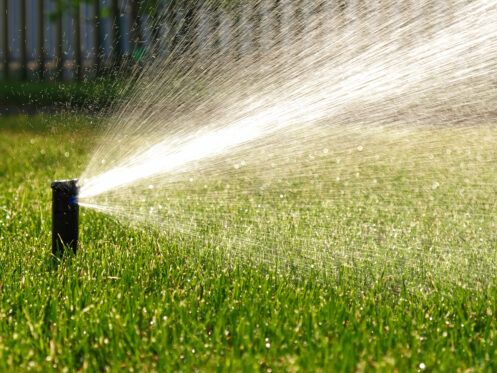
As the summer begins to wind down, many West Virginia homeowners notice that their water usage starts to increase. Dry gardens and lawns and late-season landscaping often require additional watering. Outdoor cleanup projects and end-of-summer activities can put more demand on your home’s water supply.
Everyday tasks like showering after spending more time outdoors and doing extra laundry can all contribute to higher water use. Making a few simple adjustments to better conserve water is ideal. You can cut your utility costs and protect water by following these simple late summer conservation tips. Schedule plumbing repairs from Childers Air Plumbing & Electric in West Virginia.
Why Water Use Increases in Late Summer
Late summer heat and dry weather in West Virginia put extra strain on your home’s plumbing system. From wrapping up summer activities to preparing your lawn for the transition into fall, your daily water usage can increase. Also, hot conditions lead to an increase in water consumption. Your demand rises during this period because of heat and dryness, and knowing that helps you spot ways to use water more efficiently.
Water Lawns at the Right Time of Day
An easy way to lower your consumption is to water your lawn at the appropriate time of day. Ideally, you should be doing so in the early morning. The cooler temperatures and calmer winds allow more of the moisture to soak into the soil. If you water in the afternoon, much of the water will evaporate before it reaches the roots of your plants or grass.
Be sure to follow any local watering guidelines or restrictions that apply to your area to help conserve community water supplies. These summer water conservation tips can make a noticeable difference over time.
Make Landscaping More Water-Efficient
Water smart landscaping lets you cut outdoor water use without losing curb appeal. Select drought-tolerant plants and those that are native to the area. These options naturally thrive in West Virginia’s climate and require less supplemental watering.
Be sure to group plants with similar watering needs together so you can irrigate them more effectively. You can limit large areas of high-maintenance grass by incorporating decorative stone, mulch, and ground cover. This creates an attractive outdoor space that is easy to maintain.
Check Outdoor Faucets, Hoses, and Sprinklers
Your outdoor plumbing fixtures can use a large amount of water if they develop leaks or aren’t functioning properly. Taking the time to inspect your outdoor faucets, hoses, and sprinklers can catch damage early before you waste water.
Check your faucets for any dripping water and your hoses for any cracks or loose connections. Watch your sprinklers as they work to see if any of them are spraying your driveways or sidewalks instead of your lawn. Perform inspections every few weeks.
Use Mulch Around Plants and Gardens
Mulch is an easy way to help conserve moisture and improve plant health. The mulch will slow down the evaporation of water, allowing more of the soil to remain moist for longer. This helps minimize the amount of watering you need to provide for your landscape.
Mulch is great for regulating soil temperatures, minimizing soil erosion, and reducing weed growth. Select organic mulches like compost, wood chips, and shredded bark that gradually break down over time and improve soil health.
Run Full Loads of Laundry and Dishes
Ensure you’re only doing full loads of laundry and dishes. These appliances use the same amount of water whether they’re operating at full capacity or not. This doesn’t apply if you’re using water saving appliances that automatically adjust how much water they use.
Shorten Showers Without Feeling Rushed
Another great way to easily minimize your indoor water usage is to cut your shower time by just a few minutes. A standard shower head uses between 10 and 20 gallons of water over the course of 5 minutes. Decreasing your shower by a few minutes saves a substantial amount of water over time.
Taking a couple of moments each day to make your showering routine more efficient can help reduce water consumption. For example, you could try turning off the water when you’re shaving to reduce unnecessary waste. This can provide noticeable savings in both your water bill and the amount of hot water that your home consumes.
Upgrade to Water-Saving Fixtures
Switching to efficient fixtures helps your whole home use less water. High efficiency toilets, low flow showerheads, faucet aerators, and motion sensor faucets all cut water use while still working reliably. Most homeowners won’t notice a difference in water pressure, as air mixes with water to reduce their consumption level. Childers Air Plumbing & Electric offers professional bathroom plumbing services for homeowners who want to repair or upgrade water-using fixtures.
Watch for Hidden Indoor Leaks
A significant contributor to late-summer water usage leaks. Problems like running toilets and dripping faucets can all waste an excessive amount of water. In many cases, homeowners don’t realize leaks are present for many weeks or even months. If you notice damp spots, low water pressure, or unexpected bill increases, you are likely to have hidden water leaks in your home.
Periodically scheduling professional assistance for leak detection is the key to identifying the source of these leaks. By repairing any hidden leaks that you have, you can reduce water waste at home and keep your bills low.
Reduce Water Waste During Outdoor Cleaning
Your outdoor cleaning projects can use a large amount of water. Instead of continuously running your hose, opt for using a leaf blower or broom to remove dirt and debris from surfaces. If you need to rinse surfaces or wash your outdoor furniture, use a hose that has a shut-off nozzle so you can stop the water whenever necessary.
Reuse Water Safely When Possible
Find ways to reuse water safely. For example, use leftover water from your kitchen for watering your flowers, plants, or garden beds. You can also collect the cold water that runs before the shower warms up to use for washing your hands later in the day.
Consider Plumbing Upgrades for Long-Term Savings
There are many plumbing upgrades you can invest in that provide long-term water conservation and utility savings. Investing in a leak detection system can help you learn right away when you have a leak to prevent unnecessary waste. This allows you to react quickly to minimize the damage to your home.
Utilize a pressure regulator valve that helps minimize the water flowing through your plumbing fixtures. Getting an annual inspection can catch issues early on. Investing in efficient fixtures is also a great way to reduce water consumption throughout the year. Maintaining an efficient water heater can also help reduce unnecessary water and energy use when waiting for hot water.
Schedule Plumbing Repair Service Today
West Virginia homeowners can easily conserve more water throughout the late summer months in many ways. Improving how you water outdoors, fixing leaks, cutting indoor waste, and choosing efficient upgrades are all easy ways to lower your water bill. Childers Air Plumbing & Electric provides plumbing services in Beckley and surrounding West Virginia communities. Contact Childers Air Plumbing & Electric today to schedule plumbing repairs for your West Virginia home.