
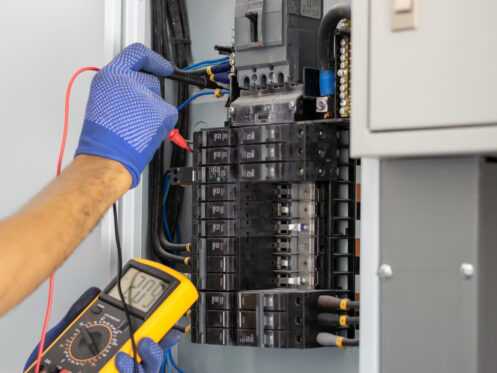
Your electrical panel is the traffic controller for power in your home. Every light, outlet, and appliance depends on it. When it struggles, the whole house feels it. March is a smart time to check it, before summer loads arrive. In Beckley, WV, that timing can prevent stressful surprises.
Winter asks a lot from your system. Heaters and lights stay on longer, and big appliances work harder. You also spend more time indoors, so you notice quirks faster. Cold weather can aggravate weak connections over time. March sits in that calmer gap between seasons. That makes it easier to spot problems before your home ramps up again.
March Sits Between Two High-Demand Seasons
Think of March as the reset button after winter. Your usage shifts, but it rarely drops to zero. You may still heat at night, while spring days feel mild. That mixed demand can reveal issues that steady seasons hide.
It is also a practical month for scheduling. Summer brings higher call volume and stuffed calendars. Getting ahead now means you are not racing the first heat wave. If you want a wider look at your home’s wiring and circuits, explore our electrical services. It is a good starting point for planning.
How Winter Conditions Can Affect Your Panel
Cold temperatures can cause materials to expand and contract. That movement may loosen connections over time. Moisture can sneak in through small gaps and create corrosion. Even minor corrosion can lead to inconsistent breaker behavior. The panel might still “work,” but not cleanly.
Sometimes the damage stays quiet. You do not see it until a breaker trips more often. Other times, you notice flickers when a large appliance starts. You may also hear a faint buzzing from the panel area. Many homeowners shrug it off, then forget about it. Winter can set the stage, and spring is when symptoms step forward.
What a Professional Panel Inspection Checks
A spring inspection focuses on safety and reliability. We check breakers for proper operation and signs of heat stress. We inspect connections for tightness and visible wear. We look for corrosion, discoloration, and damaged insulation. If anything looks abnormal, we explain it to you.
We also evaluate capacity and circuit layout. A panel that is maxed out can struggle as your home’s needs grow. Summer cooling loads can push a crowded panel harder. We pay attention to breaker sizing and circuit labeling. Clear labeling matters during emergency situations. It also saves time when you are trying to describe an issue over the phone.
Warning Signs That Deserve a Closer Look
Many homeowners miss early clues because the power still works. The signs can feel small until they add up. A spring inspection can confirm what is happening. It can also rule out bigger issues. That peace of mind is worth a lot. Here are some other warning signs:
- Breakers tripping repeatedly
- Lights flickering during normal use
- Buzzing near the panel area
- Burning smell or scorch marks
- Warm breakers or warm panel cover
- Outlets that stop working randomly
Why Older Panels Struggle in Modern Homes
Older homes often started with 60-amp or 100-amp service. Many newer houses run closer to 150 or 200 amps. More electronics, bigger appliances, and added circuits change the math. A panel built for yesterday can feel cramped today. That strain can show up as nuisance trips.
Older panels may also have fewer breaker spaces. That limits your ability to add dedicated circuits safely. Some homes still use fuse boxes or outdated panel brands. Those panels may not meet modern expectations for safety and capacity. March is a good month to talk through upgrade timing. You can plan calmly, instead of making a rushed decision during an outage.
Small Load Changes That Add up Fast
Many homeowners do not realize how quickly loads stack. A home office setup adds monitors, chargers, and peripherals. Kitchen upgrades often add higher-wattage appliances. Even a new freezer or dehumidifier can change a circuit’s daily demand. One change is fine, but multiple changes can stress an older panel.
Seasonal habits matter, too. In late winter and early spring, people use space heaters and humidifiers. Then fans, window units, or portable AC units show up. Those devices often plug into existing circuits. A panel inspection helps confirm your system is prepared for that reality. It can also reveal where your home would benefit from better circuit balance.
Common Electrical Fire Risks an Inspection Can Catch
Loose connections can create heat at contact points. Overheated breakers can signal a load problem. Double-tapped breakers and mismatched breaker sizing add risk. Melted insulation or scorch marks are clear red flags. These are not “wait and see” issues.
During an inspection, we look for warning patterns. We check for overheating evidence and damaged components. We also note wiring concerns that may need attention. If we find a hazard, we explain the safest next step. The goal is to reduce risk without panic. You should leave the visit feeling informed, not overwhelmed.
Why Annual Inspections Help Beyond One Season
Routine inspections build a clear history of your system. That record helps track changes over time. It also supports smarter upgrade decisions later. You are not guessing what happened last year. You are working from real observations.
Annual visits can also catch small issues early. That matters when you have a busy household. It matters even more when extreme weather hits. A panel in good shape handles stress better. It also supports more consistent performance across the home. Small fixes now can prevent big disruptions later.
Spring Is a Smart Time To Plan Electrical Upgrades
March is ideal for planning, not just checking. If you are adding an EV charger, a hot tub, or solar, the load may increase. Remodeling and home office additions can also add demand. Those changes often require panel planning first. It is better to plan now than rush later.
Panel upgrades can create more breaker space for future needs. They can also support modern safety breaker options, when appropriate. Some upgrades include improved grounding and bonding. Those improvements add long-term value and safety. Planning in the spring gives you flexibility with scheduling. It also helps you budget without last-minute pressure.
Beat the Busy Season Before the Phones Start Ringing
March is a sweet spot for scheduling because it is usually calmer than summer. You are not competing with emergency calls from heat waves or storm-heavy weeks. That means more appointment flexibility and less pressure to “take whatever time is left.” It also gives you space to ask questions, review findings, and plan next steps without feeling rushed. If the inspection uncovers a needed repair or upgrade, you can often schedule it sooner. That timing helps you head into spring and summer with fewer electrical surprises.
Reliable Panel Inspection Service in Beckley, WV
Childers Air Plumbing & Electric provides dependable panel inspections for Beckley, WV, and nearby communities. If we find concerns, we walk you through clear next steps. We also assist with panel replacements and electrical upgrades when needed. Learn more about our electrical panel services. We keep the process straightforward.
If your home is due for a spring checkup, we are ready to help. Contact Childers Air Plumbing & Electric today for more information!